Mastering essential practical skills is the cornerstone of earning a product design certification. It’s not just about theoretical knowledge; real-world application sets certified designers apart in today’s competitive market.

Whether you’re sketching concepts, using CAD software, or understanding manufacturing processes, hands-on expertise is what employers truly value. From my own experience, developing these abilities boosted my confidence and opened doors to exciting projects.
If you’re aiming to level up your career, honing these skills is non-negotiable. Let’s dive deeper and explore exactly what practical competencies you need to succeed!
Mastering Visual Communication for Product Design
Sketching and Conceptual Drawing
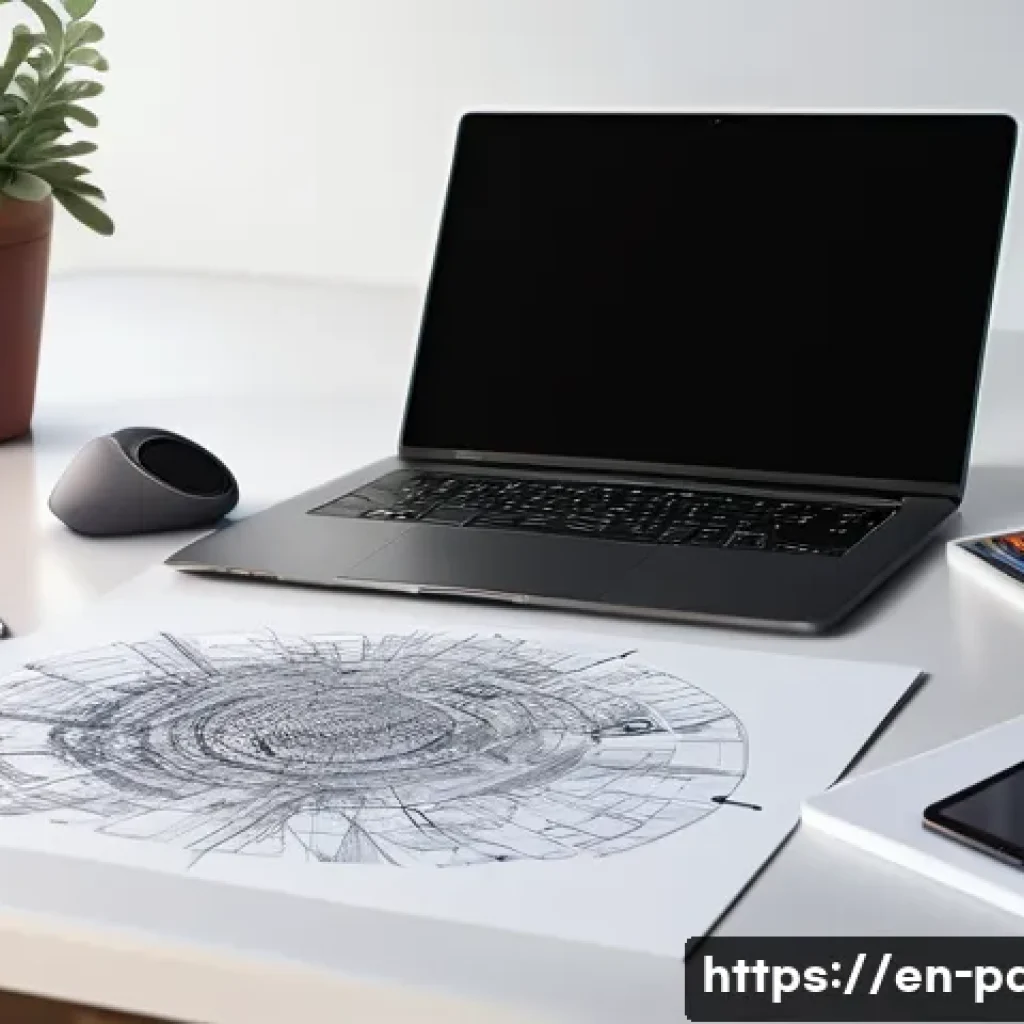
The ability to quickly translate an idea onto paper remains one of the most valuable skills for any product designer. When I first started, rough sketches helped me clarify concepts not only for myself but also for clients and teammates.
Sketching isn’t about perfection; it’s about communicating intent clearly and rapidly. Over time, I found that being able to sketch confidently sped up the entire design process and reduced misunderstandings.
Practicing different sketching techniques, such as perspective drawing and annotation, enhances your ability to convey form, function, and emotion through simple lines.
Proficiency with CAD Tools
Moving beyond paper, mastering computer-aided design (CAD) software is essential. Programs like SolidWorks, Fusion 360, or Rhino allow you to create precise 3D models that can be tested and iterated digitally.
From personal experience, learning CAD was a game changer—once I could build accurate digital prototypes, the feedback cycle with engineers and manufacturers became much smoother.
It’s not just about modeling but also about understanding the software’s simulation and rendering capabilities, which help visualize how a product performs in real life.
Creating Effective Presentations
Design ideas need to be sold, whether to stakeholders, clients, or team members. Crafting compelling presentations that blend visuals with storytelling is a practical skill often overlooked.
I’ve learned that combining well-prepared slides with physical or digital prototypes dramatically increases engagement and buy-in. Knowing how to highlight key features, benefits, and potential challenges during a pitch can make or break a project’s success.
Understanding Manufacturing and Material Selection
Basics of Manufacturing Processes
Knowing how products are made on the factory floor shapes better design decisions. Early in my career, I underestimated the impact of manufacturing constraints, leading to costly redesigns.
Familiarity with injection molding, CNC machining, 3D printing, and other processes is crucial. Each method has its pros and cons, affecting cost, durability, and aesthetics.
Designers who understand these trade-offs can optimize designs to meet budget and performance goals without sacrificing creativity.
Choosing the Right Materials
Material knowledge goes hand in hand with manufacturing. Selecting the appropriate materials involves considering strength, flexibility, environmental impact, and user experience.
For instance, switching from a conventional plastic to a biodegradable polymer can add value and appeal to eco-conscious consumers. I found that working closely with material suppliers and testing samples helped me make informed choices that elevated the product’s quality and sustainability.
Collaborating with Engineers and Suppliers
Practical skills include effective communication with those who turn designs into reality. Early collaboration with engineers ensures that designs are feasible and cost-effective.
From my experience, building a good rapport with suppliers helps anticipate challenges and find innovative solutions. Knowing technical jargon and manufacturing workflows enhances mutual understanding and speeds up problem-solving.
Prototyping and Iteration Techniques
Rapid Prototyping Methods
Building physical prototypes is where design theory meets reality. I’ve used techniques ranging from foam modeling to 3D printing to quickly validate form and ergonomics.
Rapid prototyping lets you test assumptions early and avoid costly mistakes later. It’s also a powerful tool for user testing—real users interacting with a tangible product provide insights no digital model can offer.
User Feedback Integration
Collecting and applying user feedback is an ongoing process. Early in my career, I overlooked this step and later faced usability issues. Incorporating user opinions systematically helps refine features and improve overall satisfaction.
Creating surveys, interviews, and observation sessions are practical ways to gather actionable data. The key is to remain open-minded and willing to pivot based on what you learn.
Iterative Design Mindset
Iteration is more than repeating the same steps; it’s about continuously improving. I’ve seen projects succeed when designers embrace failure as a learning opportunity rather than a setback.
Documenting changes, testing hypotheses, and refining details ensure the final product is polished and user-centered. This mindset requires patience but ultimately leads to superior design outcomes.
Project Management and Workflow Efficiency
Organizing Design Tasks
Managing multiple design tasks effectively can be daunting. Using tools like Trello, Asana, or Jira helped me break down complex projects into manageable chunks.
Prioritizing tasks based on deadlines and dependencies prevents bottlenecks. I found that a well-structured workflow reduces stress and keeps everyone on the same page.
Time Estimation and Deadline Management
Accurately estimating how long tasks take is a skill honed over time. Early on, I often underestimated development time, which led to rushed work and burnout.
Tracking past projects and building buffers into schedules improves reliability. Clear communication about timelines with clients and team members also sets realistic expectations.

Effective Team Collaboration
Product design rarely happens in isolation. Collaborating with cross-functional teams, including marketing, engineering, and manufacturing, is vital. I learned that active listening and flexibility foster better teamwork.
Regular check-ins and transparent feedback channels ensure alignment and smooth progress.
Technical Documentation and Compliance
Creating Detailed Design Documentation
Producing thorough documentation is critical for manufacturing and future iterations. My experience taught me that clear drawings, specifications, and assembly instructions prevent costly errors.
Documentation should be accessible and standardized to facilitate communication across departments.
Understanding Industry Standards and Regulations
Compliance with safety and environmental standards is non-negotiable. Familiarity with regulations like ISO, CE, or RoHS protects your product and company from legal issues.
I’ve found that early integration of compliance considerations into design saves time and resources later.
Version Control and File Management
Keeping track of design versions and files avoids confusion and data loss. Using cloud storage and version control systems like Git or PDM ensures that everyone works on the latest files.
In my projects, this practice minimized mistakes and improved collaboration efficiency.
Human-Centered Design and Usability Testing
Empathy and User Research
Designing with empathy means deeply understanding user needs and pain points. I once spent weeks shadowing users, which revealed insights that drastically changed my approach.
Conducting interviews, surveys, and contextual inquiries builds a solid foundation for meaningful design.
Usability Testing Methods
Testing prototypes with real users uncovers hidden problems. Techniques like A/B testing, heuristic evaluation, and cognitive walkthroughs provide quantitative and qualitative data.
I learned that even small usability tweaks can significantly boost user satisfaction and adoption rates.
Incorporating Accessibility Principles
Inclusive design broadens your product’s reach and impact. Ensuring accessibility for users with disabilities is both a moral and business imperative.
From my experience, simple adjustments like color contrast, font size, and tactile feedback make products usable for a wider audience.
| Skill Area | Key Competencies | Real-World Benefits |
|---|---|---|
| Visual Communication | Sketching, CAD proficiency, presentation skills | Clear idea conveyance, faster iterations, stakeholder buy-in |
| Manufacturing Knowledge | Process understanding, material selection, supplier collaboration | Cost-effective design, improved product quality, fewer redesigns |
| Prototyping & Iteration | Rapid prototyping, user feedback, iterative mindset | Early problem detection, enhanced usability, refined products |
| Project Management | Task organization, time management, teamwork | Efficient workflows, meeting deadlines, cohesive teams |
| Documentation & Compliance | Technical documentation, standards knowledge, version control | Manufacturing accuracy, legal safety, smooth collaboration |
| Human-Centered Design | User research, usability testing, accessibility | Products that truly meet user needs, higher satisfaction |
글을 마치며
Mastering product design requires a blend of creativity, technical knowledge, and effective communication. From sketching initial ideas to collaborating with engineers and users, each step shapes the final outcome. Embracing iteration and user feedback leads to more refined and successful products. By continuously honing these skills, designers can deliver solutions that truly resonate with users and stakeholders alike.
알아두면 쓸모 있는 정보
1. Sketching is a fast and flexible way to communicate ideas before investing time in detailed models.
2. Learning CAD software not only improves precision but also streamlines collaboration with manufacturing teams.
3. Early prototyping helps identify design flaws and usability issues, saving time and costs later on.
4. Understanding manufacturing constraints and materials ensures designs are feasible and cost-effective.
5. Incorporating user feedback and accessibility principles results in products that are inclusive and user-friendly.
중요 사항 정리
Effective product design hinges on clear visual communication, technical expertise, and a user-centered approach. Designers must balance creativity with practical manufacturing knowledge while fostering collaboration across teams. Rapid prototyping and iterative testing are essential to refine usability and meet real user needs. Maintaining thorough documentation and compliance safeguards the product’s quality and legal standing. Ultimately, embracing empathy and continuous learning drives innovation and successful design outcomes.
Frequently Asked Questions (FAQ) 📖
Q: What practical skills are most important for earning a product design certification?
A: The key practical skills include sketching and visual communication to clearly express ideas, proficiency in CAD software like SolidWorks or Fusion 360 for detailed modeling, and a solid understanding of manufacturing processes such as injection molding or 3D printing.
These hands-on abilities allow you to bring concepts to life and show employers you can handle real-world design challenges, which theory alone can’t demonstrate.
From my experience, mastering these skills was a game-changer in building my portfolio and gaining confidence during interviews.
Q: How can I effectively develop these practical skills before certification?
A: The best approach is a mix of guided learning and real projects. Start with online tutorials or workshops focused on specific tools like CAD programs, then practice by designing simple products or components.
Internships or freelance gigs provide invaluable exposure to actual workflows and client feedback. I found that working on personal side projects helped me experiment freely and learn from mistakes without pressure, which accelerated my skill growth way more than just reading or watching videos.
Q: Why do employers prioritize practical skills over theoretical knowledge in product design?
A: Employers want designers who can hit the ground running and contribute to the product development process immediately. Practical skills demonstrate your ability to transform ideas into tangible solutions, communicate effectively with engineers and manufacturers, and troubleshoot issues before they escalate.
In my own career, showing a portfolio rich with hands-on work made a stronger impression than listing academic achievements alone. Ultimately, it’s your practical expertise that proves you’re ready to add real value to the team.