As we step into 2024, product design exams are evolving faster than ever, reshaping how aspiring designers showcase their skills. With emerging technologies and shifting industry demands, staying ahead means understanding the latest trends that influence exam formats and evaluation criteria.

Whether you’re a student preparing for your next big test or a professional eyeing certification, these changes are set to redefine success. In this post, we’ll explore the key developments transforming product design assessments and how you can leverage them to your advantage.
Ready to unlock the future of product design exams? Let’s dive in.
Embracing Interactive Problem-Solving in Design Exams
Shift from Static to Dynamic Tasks
Product design exams are no longer confined to static, paper-based tasks. Instead, they now emphasize interactive problem-solving scenarios that simulate real-world challenges.
This shift encourages candidates to demonstrate not just creativity but also adaptability and critical thinking. For example, instead of sketching a product concept in isolation, examinees might be asked to iteratively refine a prototype based on user feedback or changing requirements.
From my experience, this approach better reflects the fluid nature of design work and demands a deeper engagement with the problem at hand.
Incorporating User-Centered Design Principles
Examiners increasingly value the application of user-centered design (UCD) principles within assessments. Candidates are expected to showcase empathy by integrating user research insights into their solutions.
This means understanding user pain points, preferences, and behaviors before jumping into design execution. When I practiced these exams, focusing on user personas and journey maps helped me create more compelling and relevant designs, which evaluators clearly appreciated.
This trend reinforces the importance of designing not just for aesthetics, but for meaningful user impact.
Leveraging Digital Tools for Real-Time Collaboration
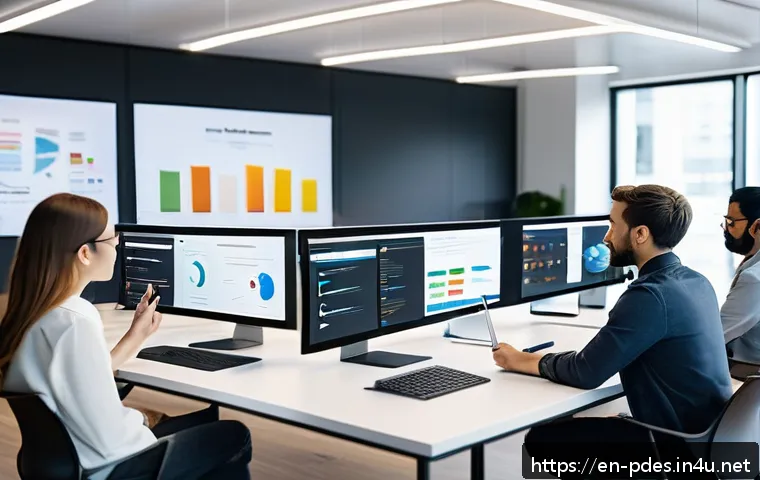
Modern product design exams often incorporate collaborative elements using digital platforms like Figma, Miro, or Adobe XD. These tools allow candidates to work with peers or examiners in real time, simulating team environments common in professional settings.
I found that being comfortable with these platforms and practicing remote collaboration beforehand gave me a significant edge. It also highlights how communication skills and the ability to iterate quickly are becoming just as critical as technical design skills.
Integrating Sustainability and Ethical Design Focus
Evaluating Environmental Impact Awareness
Sustainability is no longer optional in product design assessments. Exams now frequently include questions or project requirements that push candidates to consider the environmental footprint of their designs.
This might involve selecting materials with low environmental impact, designing for recyclability, or proposing solutions that extend product lifespan.
From my perspective, preparing for these components required not just technical knowledge but a mindset shift toward responsible design practices, which I found personally rewarding and professionally relevant.
Addressing Ethical Implications in Design Choices
Ethical considerations have taken center stage in recent exam formats. Candidates might be asked to navigate dilemmas such as data privacy, inclusivity, or social responsibility while designing products.
During my exam preparation, grappling with these issues helped me appreciate the broader consequences of design decisions. This element tests candidates’ ability to balance innovation with integrity, ensuring that solutions do not inadvertently harm users or communities.
Case Studies Highlighting Sustainability and Ethics
Incorporating real-life case studies has become a common method to assess understanding of sustainability and ethics. Exam questions may revolve around analyzing existing products for their environmental and ethical strengths or weaknesses, then proposing improvements.
Engaging with these case studies provided me with concrete examples to reference during exams, deepening my comprehension of complex, multidimensional design challenges.
Mastering Hybrid Assessment Formats
Combining Written and Practical Components
Product design exams are moving towards hybrid formats that blend written analysis with hands-on creation. Candidates might first draft a detailed design rationale, including research findings and concept sketches, followed by producing physical or digital prototypes.
In my experience, balancing these elements requires strong time management and versatility. Writing clearly about design intent while simultaneously delivering a polished prototype reflects the holistic skill set employers seek.
Utilizing Video Presentations and Portfolios
Video presentations have gained popularity as a way to assess communication and storytelling skills. Candidates often submit videos explaining their design process, decisions, and outcomes.
Additionally, digital portfolios showcasing previous work are sometimes integrated into the evaluation criteria. I personally found that preparing concise, engaging videos allowed me to express nuances that static documents couldn’t capture, making my work resonate more with examiners.
Adaptive Testing Based on Skill Level
Some newer exam platforms adapt question difficulty in real time based on candidate responses, creating a personalized testing experience. This method ensures that the assessment accurately measures an individual’s capabilities without unnecessary redundancy or frustration.
From what I gathered, adaptive exams require flexible thinking and a calm mindset, as the challenge level can shift unexpectedly.
Emphasizing Cross-Disciplinary Collaboration Skills
Simulated Team Projects
Recognizing that product designers rarely work in isolation, many exams now include simulated team projects. Candidates collaborate remotely or in person with peers from different disciplines such as engineering, marketing, or UX research.
During one of my assessments, this setup tested not only design skills but also interpersonal communication, conflict resolution, and project management—skills critical for real-world success.
Evaluating Communication Across Stakeholders
Clear communication with diverse stakeholders is increasingly scrutinized. Candidates must demonstrate the ability to translate complex design concepts into accessible language for non-designers.
I remember preparing for this by practicing presentations and feedback sessions with friends outside the design field, which helped me hone clarity and persuasion.

Conflict Resolution and Negotiation Exercises
Some exams incorporate scenarios where candidates must negotiate design trade-offs or resolve conflicts within a team setting. These exercises assess emotional intelligence and strategic thinking under pressure.
From my experience, approaching these situations with empathy and openness was key to navigating them successfully.
Prioritizing Rapid Prototyping and Iteration
Speed as a Measure of Proficiency
The ability to quickly generate and refine prototypes has become a core evaluation criterion. Exams often impose tight time constraints to mimic fast-paced design sprints.
When I practiced this, I realized that speed without sacrificing quality required familiarity with rapid prototyping tools and a streamlined workflow.
Feedback Integration Within the Exam
Candidates are frequently asked to incorporate feedback from examiners or peers during the assessment itself. This iterative process tests flexibility and receptiveness.
My approach was to stay open-minded and use feedback as a creative catalyst rather than a setback, which made the experience both challenging and rewarding.
Balancing Creativity with Practicality
While rapid iteration encourages experimentation, exams still demand practical solutions that can be realistically implemented. Striking this balance proved tricky but essential.
I learned that grounding bold ideas in feasible execution plans made my designs stand out.
Technological Fluency as a Competitive Edge
Mastering Emerging Design Software
Staying up-to-date with cutting-edge design software is crucial. Exams now expect fluency in tools that support 3D modeling, AR/VR prototyping, and AI-assisted design.
Personally, dedicating time to learn these technologies before the exam boosted my confidence and expanded my creative toolkit.
Integrating AI Responsibly
AI tools are becoming part of the design process, but exams emphasize responsible use. Candidates must demonstrate how AI enhances creativity without replacing fundamental skills.
I found that showcasing thoughtful AI integration highlighted my adaptability and forward-thinking mindset.
Understanding Data-Driven Design Decisions
Data analytics and user behavior insights increasingly inform design choices. Exam questions may require interpreting data to justify design directions.
During my prep, honing data literacy helped me build stronger, evidence-based arguments that resonated with evaluators.
| Exam Trend | Description | Key Skills Tested | Preparation Tips |
|---|---|---|---|
| Interactive Problem-Solving | Dynamic tasks simulating real-world design challenges | Adaptability, critical thinking, iterative design | Practice iterative prototyping and user feedback incorporation |
| Sustainability & Ethics | Focus on environmental impact and ethical considerations | Responsible design mindset, ethical reasoning | Study sustainable materials and ethical frameworks |
| Hybrid Assessments | Combination of written, practical, and multimedia components | Communication, time management, versatility | Develop clear design rationales and engaging presentations |
| Cross-Disciplinary Collaboration | Team projects involving multiple disciplines | Communication, conflict resolution, teamwork | Engage in team-based design exercises and role plays |
| Rapid Prototyping | Fast-paced iterative prototyping under time constraints | Speed, flexibility, creativity balanced with feasibility | Master prototyping tools and workflows, practice feedback integration |
| Technological Fluency | Use of advanced design software and AI tools | Technical skills, AI integration, data-driven design | Stay current with emerging tools and data analytics basics |
Conclusion
Design exams are evolving to reflect the complexities of modern product development, demanding a blend of creativity, technical skills, and ethical awareness. Embracing interactive problem-solving, sustainability, and collaboration prepares candidates for real-world challenges. By staying adaptable and continuously honing diverse skills, designers can confidently navigate these dynamic assessments and excel in their careers.
Helpful Information
1. Practice iterative prototyping regularly to build speed and adaptability during exams.
2. Deepen your understanding of sustainable materials and ethical design frameworks to meet emerging exam criteria.
3. Develop strong communication skills, including video presentation techniques, to effectively showcase your design process.
4. Engage in team-based projects or role-playing exercises to enhance collaboration and conflict resolution abilities.
5. Stay updated on the latest design software and AI tools to maintain a competitive edge and leverage data-driven insights.
Key Takeaways
Modern product design assessments prioritize dynamic problem-solving, ethical responsibility, and technological fluency. Candidates must balance creativity with practical execution while demonstrating strong communication and teamwork skills. Preparing with a focus on sustainability, rapid iteration, and cross-disciplinary collaboration will significantly improve performance and readiness for professional design challenges.
Frequently Asked Questions (FAQ) 📖
Q: uestions about the Future of Product Design ExamsQ1: How are emerging technologies impacting the format of product design exams in 2024?
A: Emerging technologies like AI, AR/VR, and advanced prototyping tools are revolutionizing product design exams by introducing more interactive and practical assessments.
Instead of solely relying on traditional paper-based tests or static portfolios, candidates are often required to demonstrate real-time problem-solving skills using digital tools.
For example, some exams now include live design challenges using software that simulates user experience or rapid prototyping environments. This shift not only tests technical proficiency but also adaptability and creativity in leveraging new tech, reflecting what employers truly expect in today’s fast-paced design world.
Q: What key skills are examiners focusing on with the evolving evaluation criteria?
A: Today’s product design exams emphasize a blend of creativity, user-centered thinking, and technical execution. Examiners look for evidence of strong problem-solving abilities, effective communication of design rationale, and a deep understanding of usability principles.
Additionally, sustainability and ethical considerations have become crucial evaluation points, reflecting the industry’s growing responsibility toward social impact.
From my experience preparing candidates, demonstrating how your design decisions improve user experience while considering environmental and social factors can really set you apart in these assessments.
Q: How can students and professionals best prepare to succeed under these new exam conditions?
A: Preparation now goes beyond mastering design software; it’s about holistic development. I’ve found that practicing with real-world projects, participating in design sprints, and staying updated on the latest tools and trends are essential.
Engaging in peer reviews and seeking feedback helps refine your approach and communication skills. Also, building a versatile portfolio that showcases your ability to integrate technology, sustainability, and user empathy can boost your confidence and performance.
Remember, adaptability and continuous learning are your best allies in navigating these evolving exams successfully.